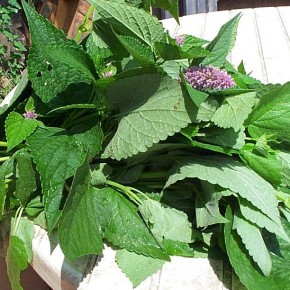
Anise HyssopAnise Hyssop is a member of the mint family and has the flavor of licorice with notes of lemon, pine, and black pepper. It makes a lovey tea—just steep 2 teaspoons of the fresh herb in a mug filled with hot water for 7-10 minutes. The leaves can also be used to flavor cookies or quick breads, in fruit salads, or added to savory salads for an extra kick. |
|
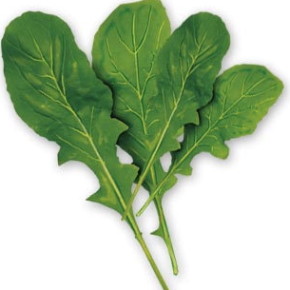
ArugulaArugula is a zippy, peppery green in the cruciferous family of vegetables (also known as the Brassicas). It’s popular in Italian cuisine, grows wild in Asia and the Mediterranean, and can be traced back to Roman times where it was used for its seeds and oils. It can be eaten raw in salads or cooked. Arugula has become a popular ingredient in salad mixes. If you find its flavor too pungent, try cooking it to tone down the taste. It is an excellent source of vitamins A and C, folic acid, calcium, magnesium, and manganese. |
|
BeetsBeets are the two-meals-in-one vegetable: You can eat the beautiful roots AND you can sauté up those leafy greens. They belong to the same family as chard and spinach. Beets are fantastic boiled or roasted and then put over a salad, or grilled (wrap whole beet in foil, drizzle with olive oil, and stick them on the grill for about an hour) as a side dish. Beet greens are a bit earthier in flavor than chard or spinach, but still in the same vein. You can sauté them up with a little olive oil and garlic and serve them over some ravioli. The sweet ricotta balances the earthy really nicely. Beets are high in folate, manganese, potassium, vitamin C, and iron. |
![]() |
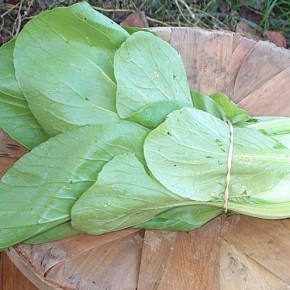
Bok ChoiBok choi (or bok choy) is a Chinese cabbage with white stalks and round green leaves. The flavor is slightly sweeter than traditional cabbage, and you’ll find it to be a bit more delicate and juicy. It can be eaten raw, steamed, stir fried, braised, or used in soups. It is high in calcium and vitamins C and A. |
![]() |
BroccoliBroccoli is another member of the Brassica family, with edible flowers and stalks. It can be eaten raw, steamed, boiled, roasted, sautéed, and made into soup. How’s that for some options? It’s super healthy, high in vitamins C, K, and A, and dietary fiber, and it has many nutrients with cancer fighting properties. |
![]() |
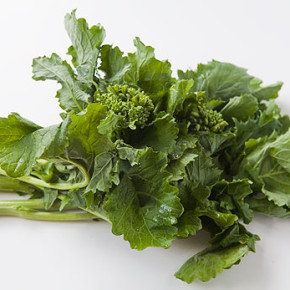
Broccoli RaabBroccoli Raab, also called Rapini, has spiked leaves that surround clusters of green buds resembling small heads of broccoli. Small, edible yellow flowers may be blooming among the buds. Although it has broccoli’s name, broccoli raab is not related to broccoli; it’s closely related to turnips. (You’ll notice the leaves resemble turnip greens.) Cook the whole plant—the stems can be removed up to where the leaves begin, and sautéed before adding the leaves to the pan. Broccoli Raab is a source of vitamins A, C, and K, as well as potassium, calcium, and iron. |
|
Brussels Sprout GreensBrussels sprout greens are just that: leaves from the Brussels sprout plant. They’re similar to collards, but with a less coarse and less dense texture. The flavor is that of mild Brussels sprouts. Cook these up like you would any winter green…. Braise them, sauté them, stew them, massage them and eat them raw, juice them. They’re sweet and delicious. |
|
Butternut SquashButternut Squash originates in or around Mexico. It is a type of winter squash with a sweet, nutty flavor similar to a pumpkin. In fact, it makes a delicious pumpkin pie. It can be roasted, grilled, pureed, and used for baking. The seeds can be toasted and eaten, and the skin can also be eaten when softened by cooking. It’s high in vitamins A and C, fiber, manganese, magnesium, and potassium. |
![]() |
CabbageCabbage, in the Brassica family, seems to have a bad reputation. No one knows what to do with cabbage (aside from corned beef and cabbage or sauerkraut, that is). With such a longstanding history as a staple throughout the world, surely you can find something delicious to do. It’s an excellent source of vitamins K and C, and high in dietary fiber, manganese, folate, and vitamin B6. Give it another chance! |
|
Candy OnionsCandy Onions are a sweet white onion with a pleasing round shape. Mix them with those cucumbers, some balsamic, some oil and fresh herbs for a tasty salad. Grill them up and eat them as a side. Sauté them with your squash and some butter. You won’t be disappointed. |
![]() |
CauliflowerCCauliflower is another Brassica. Typically only the white head is eaten, though the leaves are actually delicious too and very similar to collard greens. Cauliflower can be eaten raw, steamed, boiled, sautéed, roasted, in soups, and is an excellent addition to curry. It’s high in dietary fiber, folate, vitamin C, and has similar cancer fighting nutrients as broccoli. This is also our first pick of cauliflower, and we’re really pleased. Enjoy! |
![]() |
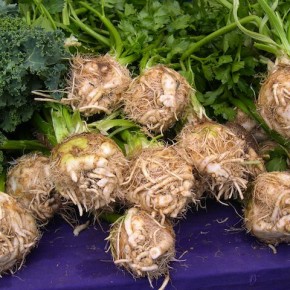
CeleriacCeleriac is a large, knobby white bulb with skinny celery stalks attached to the top. It’s also known as celery root and is a type of celery grown as a root vegetable for its large bulb instead of its leaves. It has a starchy consistency (but is not a starch) with a celery/parsley flavor. The hairy outer layer should be peeled. Inside you will find creamy, ivory flesh. It is wonderful raw, shredded together with other roots (especially carrots), roasted, mashed, pureed, and made into soups. |
|
Chinese BroccoliChinese Broccoli, or Choi Sum is a Chinese cabbage. The entire plant can be eaten, including the tender stalks and flowers. The flavor is reminiscent of a sweet, juicy broccoli. These are just delicious. All they need is a light stir fry or steam, and maybe a dash of vinegar to finish them. It’s an excellent source of vitamins A and C, calcium, potassium, and dietary fiber. |
![]() |
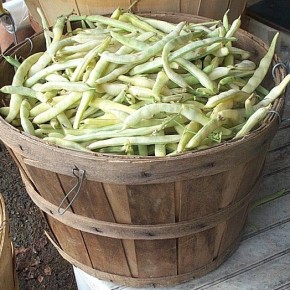
Chinese Long BeansChinese Long Beans: These are not pretty. In fact, they’re downright weird looking, all long and skinny and light green. Their flavor is a cross between green bean and asparagus, and you can use them pretty much any way you would use asparagus. Steam them, stir fry them, put them on pizza or in a frittata… Sometimes the ugliest things are the tastiest. |
|
Collards (Collard Greens)Next to kale, collards are one of the healthiest greens you can eat. They are an excellent source of folate, vitamin C and beta-carotene while also being high in calcium (source). |
![]() |
Daikon RadishDaikon radish is a very large, white, mild, East Asian radish resembling a large, white carrot. The flavor is not as zippy as a standard, small radish. It’s crisp and juicy, and great eaten raw, pickled, or used in soup. Daikon aids in digestion and is high in vitamin C. |
![]() |
Dandelion GreensDandelion Greens are exactly what they sound like. They’re the greens of dandelions, and they are incredibly nutritious, high in vitamin A, vitamin C and iron. They have a pleasantly bitter flavor, similar to that of escarole, and are most often boiled, braised, or sautéed. |
|
Delicata SquashDelicata squash, also a winter squash and perhaps the first of the season for you, has a fine-textured inner flesh with a flavor reminiscent of sweet potatoes. It can be baked or steamed. Delicata is high in vitamins A and C, potassium, dietary fiber, folate and omega 3 fatty acids. |
|
DillDill is a short-lived perennial herb that can be used fresh or dried. I most often think of dill pickles, but it’s actually native to Russia, western Africa and the Mediterranean region. It would be sprinkled over your roasted potatoes, with salmon or chicken, or in added to a salad for some zip. |
|
EggplantEggplant is a member of the nightshade family. It comes in two varieties: Italian (round) or Asian (long and skinny). It has a mildly bitter taste and slightly spongy texture. It’s high in dietary fiber, potassium, manganese, vitamins B1 and B6, and folate. Eggplant has been used in cuisine worldwide. |
![]() |
Escarole and EndiveEscarole and Endive are in the chicory family. Both are rich in many vitamins and minerals including folate and vitamins A and K, and they are high in fiber. Escarole and Endive grow in a large head, like lettuce, and are easily confused with each other and with lettuces. Curly endive, or frisée, has skinny, white stems and narrow, green, curly outer leaves. Escarole, or broad-leaved endive has wider, pale stems and broad, dark green leaves. The outside leaves of an endive head are can be bitter. The inner leaves of the endive head are light green to creamy-white and milder flavored. Both are eaten like other greens, sauteed, chopped into soups and stews, or as part of a green salad. |
![]() |
Fava BeansFavas are one of the oldest cultivated plants known. Despite being called a bean, they are actually in the pea family. The pod is broad and soft green resembling a big, flat green bean. The fresh beans have creamy texture, similar in size and color to lima beans, and a fresh, nutty taste. Fava beans are low fat, saturated fat free, cholesterol free, good source of vitamin B1, copper, iron, magnesium, phosphorous, and potassium, and an excellent source of fiber, folate, and manganese. Interestingly, fava beans have been shown in small studies to help control symptoms of Parkinson’s Disease in some patients. |
![]() |
FennelThis feathery food is completely normal in Italy, but many of us are unfamiliar with it here. Pale green, with stems like celery and a flat bulb for a base, it takes a bit like licorice and anise, but not so strong. Fennel stalks don’t store well; they dry out quickly and lose their flavor, so cut the stalks from their base and wrap them separately in plastic, and put them in the coldest part of the refrigerator. Use fennel stems like celery, to flavor soups and stews; use the feathery leaves like dill. The bulb is the main attraction. It is high in vitamin C, fiber, potassium, and manganese. “… one of the easiest vegetables: it slices beautifully into crescent shapes. It is lovely sautéed, baked, braised, or steamed, and delicious sliced thinly into salads or dipped in hummus…it goes with light flavours, like peas, as well as stronger ones… like the onion, it turns sweet when cooked. Fennel suits potatoes, pasta, and white fish like sea bass.” — Nina Planck, The Farmers’ Market Cookbook |
![]() |
Garlic CurlsGarlic curls (or “scapes”) are the tender flower stalks that grow out of the middle of hardneck garlic, before the garlic below is full grown. We break them off so that the plant can devote its growing energy into the storage bulb and not into making flowers and seeds. The garlic curl season is about three weeks long, so if you like the pesto, you could freeze some in ice cube trays, and store the cubes in a freezer bag to enjoy later in the season. |
![]() |
Golden Kentucky Wonder BeansAccording to this site, Kentucky Wonder Beans are extraordinarily long, yet tender and delicious. It’s one of the most common pole beans with rust-resistant vines that can grow up to seven feet tall. |
![]() |
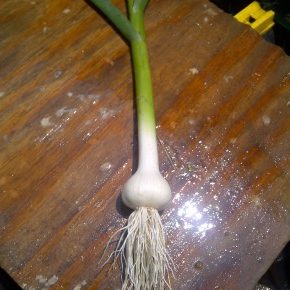
Green GarlicGreen Garlic is our young, uncured, still slightly immature, hardneck garlic. Use it as you would use your regular garlic, but store it in the fridge. The flavor is still a little milder than the mature, cured garlic, but has more oomph than the curls. |
![]() |
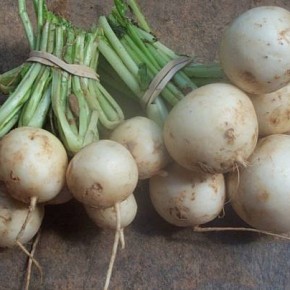
Hakurei TurnipsHakurei Turnips are a gourmet variety of turnips, popular in Japan. They are tender and sweeter than most varieties so can be enjoyed raw. You may also use them in stir fries, soups or with other baked root veggies. |
![]() |
KaleKale, a broad, leafy, robust-stemmed green, is a form of cabbage and in the Brassica family. It is used worldwide, and can be sautéed, stewed, steamed, frozen, or even used raw in green smoothies or when young and tender in salads. Kale is a super food, high in antioxidants, vitamins K and C, calcium, beta carotene, and iron. Use it in any recipe that calls for leafy greens. |
![]() |
Italian Parsley |
![]() |
KohlrabiKohlrabi, a stout member of the cabbage family, has a flavor reminiscent of broccoli stems or cabbage hearts, but slightly sweeter. It can be eaten raw, as a nice slaw, a crunchy and juicy addition to your salad, or sliced thin on sandwiches. Be sure to peel your kohlrabi—the outer skin is very tough. |
![]() |
Korean Mint |
![]() |
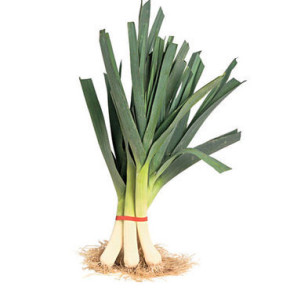
LeeksLeeks are in the same family as onions and garlic. Chop and eat the white onion-like base and the light green stalk. Leeks have a mild, oniony flavor, less bitter than a scallion and sometimes with a hint of sweetness. They’re wonderful with eggs, in a risotto, with potatoes, or with fish and chicken. |
|
Lemon BasilLemon Basil is a variety of basil with a strong, lemony flavor and is traditionally used in Indonesian and Thai cuisine to season soups, curries, stews, and stir fries. It’s also a zesty, raw addition to a salad. Try it with chicken or seafood, in a potato salad, or as a zippy pesto. |
|
Mei Qing ChoiThat cute little Chinese cabbage with white ribs and light green leaves. It takes just a few minutes to cook, and it is sweet and delicious all by itself (cooked with a little garlic and onions and oil). |
![]() |
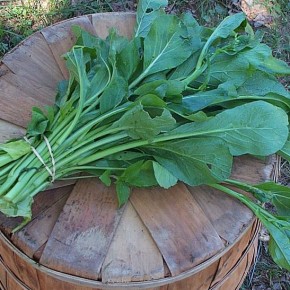
MizunaMizuna is a Japanese mustard green with a mild mustardy, peppery flavor. They can be eaten raw in salads, lightly sautéed, steamed, or put in soups just before serving. They can also be used as a zippy replacement for spinach in almost any recipe. Mizuna is super high in vitamins A, K, and C, and high in folate and manganese. As with many greens, it’s a super food with great antioxidant properties. I like them lightly sautéed on low heat with a touch of butter. So simple, but so good! |
|
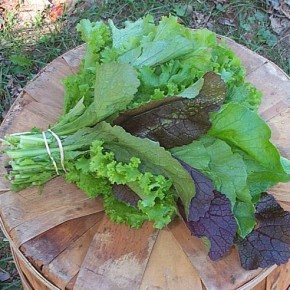
Mustard Greens (Mixed)Another very healthy green (surprise!), mustard greens pack a whallop with lots of vitamins A, C, and E as well as folate. These are the greens that produce the seeds used to make dijon mustard. Expect a strong, peppery flavor. Young greens can be added to salads or sautée them like you would any other dark leafy green. |
![]() |
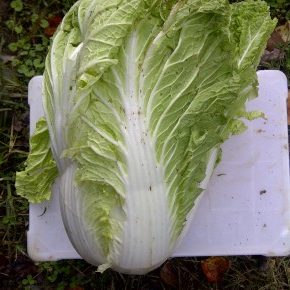
Napa CabbageNapa Cabbage, in the Brassica family, is a Chinese cabbage widely used in East Asian cuisine. The flavor is slightly sweeter and milder than traditional cabbage and the texture is a bit more crisp and delicate. Use this raw in a nice Asian cole slaw, in addition to other greens in a salad, or to top some tacos for a nice, crunchy change. You can also sauté it up in a stir fry or as a side dish. |
![]() |
OkraOkra, the classic Cajun, African, Indian, or Mediterranean pod. The products of the plant are mucilaginous, resulting in the characteristic “goo” or slime when the seed pods are cooked. The goo is actually good for you—a soluble fiber that aids digestion. While many people enjoy okra any way, some prefer to minimize sliminess by keeping the pods intact and cooking quickly, briefly stir-frying, or cooking with acidic ingredients such as citrus, tomatoes, or vinegar. Pods can also be sliced thinly and cooked for a long time, so that the mucilage dissolves, as in gumbo. Try the classic fried okra, or go for the eggplant and okra recipe you’ll find below. |
|
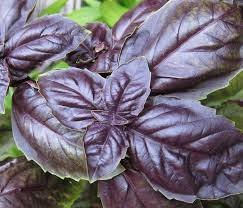
Purple BasilPurple Basil has the same bright flavor as classic Genovese basil with a fun, unexpected color. Find some great ideas on how to use it in this blog post from Farmgirl Fare. |
|
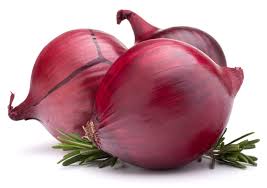
Red OnionsRed Onions are spicier than candy onions, but still tend towards the sweeter side. They’re delicious raw or cooked. Onions are high in chromium, vitamin C, dietary fiber, and vitamin B6, so toss them in your next salad, on your sandwich, or add them to your grill basket when you’re grilling up some veggies. |
|
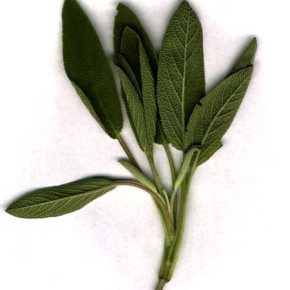
SageSage is a small, perennial evergreen herb with a long history of medicinal and culinary use. The smell of sage cooking often reminds people of Thanksgiving stuffing. It’s wonderful combined with winter squashes, sautéed in butter and served over pasta, tossed in soups, paired with most meats—especially fatty meats, in potato or bean dishes, and used with mild cheeses. It dries beautifully for future use if you can’t use the entire bunch before it goes bad. |
|
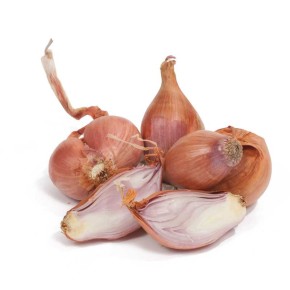
ShallotsShallots are a member of the Allium family along with onions and garlic. Some think they’re another variety of onion, but they’re actually a species of their own. The originate in Asia, but have become a staple in French cooking. Shallots have a nice, firm texture and flavor that is sweeter, milder than onions with a hint of garlic and maybe even a hint of apple. |
|
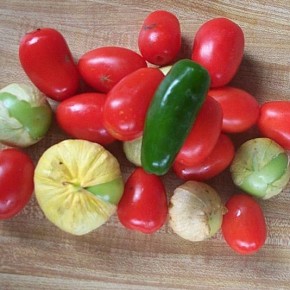
Salsa Starter KitThere’s nothing quite like fresh salsa, and here’s the lineup of goodies needed to get started: peppers, tomatoes, and tomatillos. Looking for a recipe? Try the PVF Salsa. |
![]() |
SorrelThat’s the little bunch of round, soft, green leaves that taste like lemon, sort of. To prepare: clean sorrel by floating it in water, then drain it. If you’re going to cook it, you’ll need to strip the leaves from the stems. It’s not hard. You can add it to salad, raw, or include it in soups and casseroles. |
![]() |
Spaghetti SquashSpaghetti squash is the your first winter squash of the season. When cooked, this squash’s flesh falls away from the skin in ribbons, like spaghetti. It can be baked, boiled, or steamed, and it’s high in folic acid, vitamin A, potassium, and beta carotene. |
![]() |
Spring OnionsSpring Onions or scallions are members of the Allium family. They have long, hollow greens and undeveloped white bulbs. The onion flavor is mild and can be enjoyed raw or cooked. |
![]() |
Sunburst and Pattypan Squash |
![]() |
Sweet PotatoesSweet Potatoes are large, starchy, sweet tasting, tuberous root vegetables that are actually only distantly related to the potato family. They are in the Convolvulaceae family, whose other member, the morning glory, we fight in the fields as a very successful weed. They are high in complex carbohydrates, vitamins A, C and B6, manganese, dietary fiber, and potassium. They’re also high in antioxidants. Sweet potatoes can be baked, roasted, pureed, and used in soups. Personally, I like them cubed, tossed with olive oil and chili powder, and roasted in the oven until just starting to crisp. Sweet and spicy–Yum! |
![]() |
Sweet Potato GreensSweet Potatoes Greens: You didn’t know you could eat these, did you? These are exactly what they sound like—the tops of the sweet potato plant—and a common green served in many Asian and African cultures. They’re high in antioxidants and in vitamins A, C and B2. Sauté them, steam them, boil them, put them in soup. We’re stretching your horizons, and you’ll be happy! |
![]() |
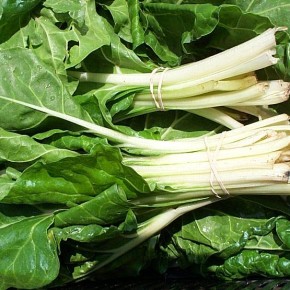
Swiss ChardSwiss chard is in the spinach family, but it grows all summer (spinach can’t take the heat). That’s the bunch of large, dark green leaves with a long stem. The crunchy stem is delicious, so don’t throw any part of the chard away. The red and yellow stems are rainbow chard, and the one with the broad white stem is called Argentata. They don’t taste very different from each other. The simplest way to prepare Swiss chard is to chop it into 1″ pieces and sauté in a hot frying pan with onions and garlic in olive oil. You’ll have many opportunities to expand your horizons with chard this year—the plants are thriving. Chard is ridiculously good for you, high in vitamins and minerals like vitamin K, vitamin A, vitamin C, magnesium, manganese, potassium, iron, vitamin E, dietary fiber, calcium, vitamin B2, vitamin B6, protein, vitamin B1, zinc, folate, and niacin. |
![]() |
TarragonTarragon, a perennial herb, is one of four fines herbes of French cooking, but don’t let that intimidate you. You’ll notice the aroma of anise wafting from the leaves. The flavor pairs very nicely with fish, chicken, eggs, and red wine sauce. It also makes a lovely salad dressing. |
|
Tat SoiTat soi is another Brassica—this time an Asian cooking green. It tastes like a milder mustard green, but it’s texture is similar to bok choi. It can be eaten raw in salads, in soup, sautéed, boiled or steamed. Tat soi is high in vitamins and minerals, including folate. |
|
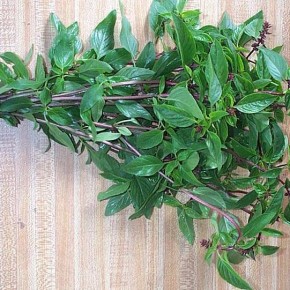
Thai BasilThai basil has a bit more assertive mint or licorice flavor than the standard basil you’re used to eating. Give it a try in a curry, add it to a light soup to give it a zip, give your tomato mozzerella salad a little oomph, or sauté it with beef, chicken, shrimp, or tofu to add an unexpected flavor. |
![]() |
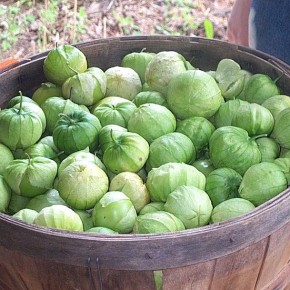
TomatillosLooks like a green cherry tomato in a paper husk. Also called a Mexican green tomato, Mexican husk tomato, Tomate Verde. You peel the parchment cover off and wash the little tomato well. Tomatillos are most often cooked in salsa. They have a lemony flavor. If you eat them raw, they are more sharply acidic. They can be stored in the refrigerator for a very long time. You can try them chopped in salad, in gazpacho, or you can cook them into a sauce for tacos and enchiladas. Poach the peeled and washed tomatillos very briefly, then combine with chili peppers, onion, garlic, cilantro and salt. |
![]() |
TurnipsTurnip greens are edible. They have a strong flavor and are often sautéed with onions and garlic and cooked with bacon (or the fake vegetarian bacon). Or you can just cook them with olive oil and garlic: the universal combination. The turnips are quite mild and can be grated into salad, or steamed and eaten with butter and salt. |
![]() |